Building Persistent Reward Loops with Sequenced Mobile Reload Offers in Betting Platforms
Riley Simmons · Jun 24, 2026
Building Persistent Reward Loops with Sequenced Mobile Reload Offers in Betting Platforms
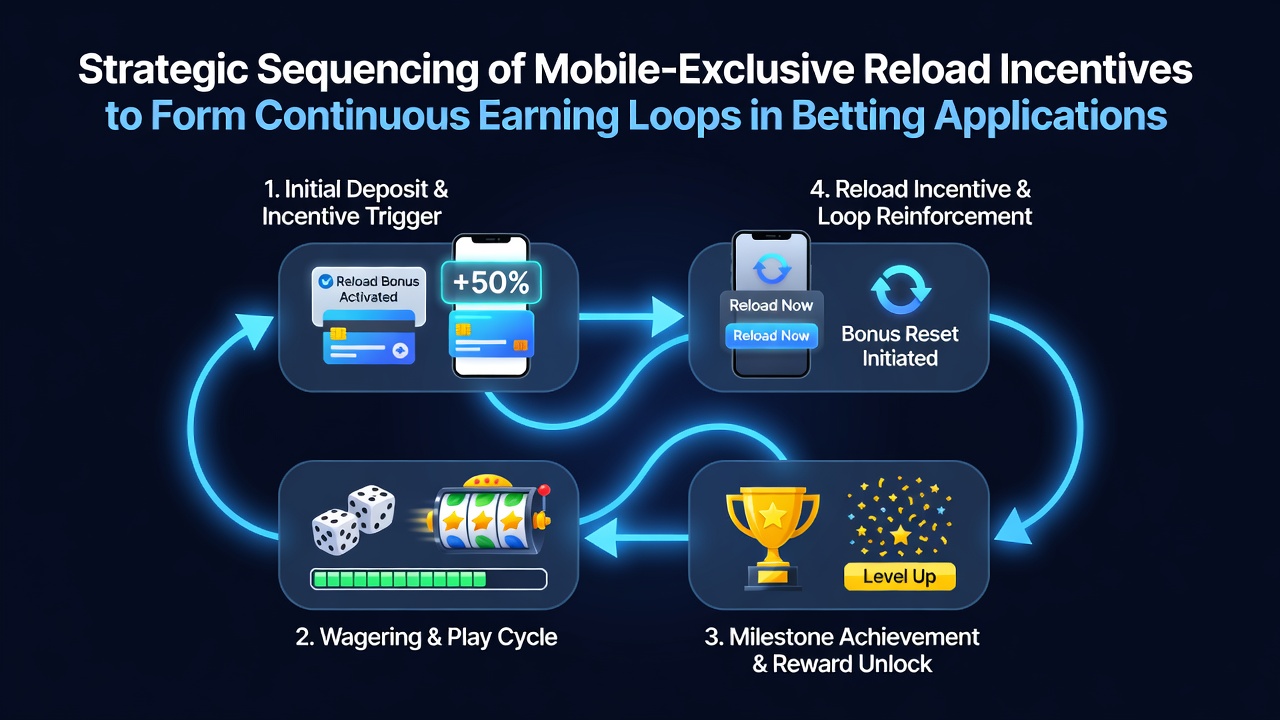
Operators have developed mobile-exclusive reload incentives as structured deposit matches and bonus credits that activate only through dedicated applications, and these tools now operate within defined time windows that encourage repeated engagement. Data from industry tracking services indicates that users who complete initial deposits via mobile receive percentage-based top-ups ranging from 50% to 150% on specified amounts, with the credits releasing after users meet playthrough thresholds that typically span five to twenty times the bonus value.
Core Mechanics of Mobile-Only Reload Structures
Reload incentives differ from sign-up bonuses because they require prior account activity, and many platforms restrict access to users who open the app at least once every seven days. Research from the Australian Gambling Research Centre shows that such restrictions correlate with higher retention rates in markets where smartphone usage exceeds 80% of total betting volume. The sequencing process begins when a user claims a Monday reload, completes the associated wagering, and then qualifies for a Wednesday follow-up offer that references the prior activity level.
Each subsequent trigger builds on the last because platforms log cumulative deposits and adjust the next percentage or maximum cap accordingly. Observers note that this creates measurable progression where users who maintain weekly deposit patterns unlock tiered rewards, such as increased cashback percentages or additional free spins attached to sports or casino products.
Designing Sequences That Sustain Activity Cycles
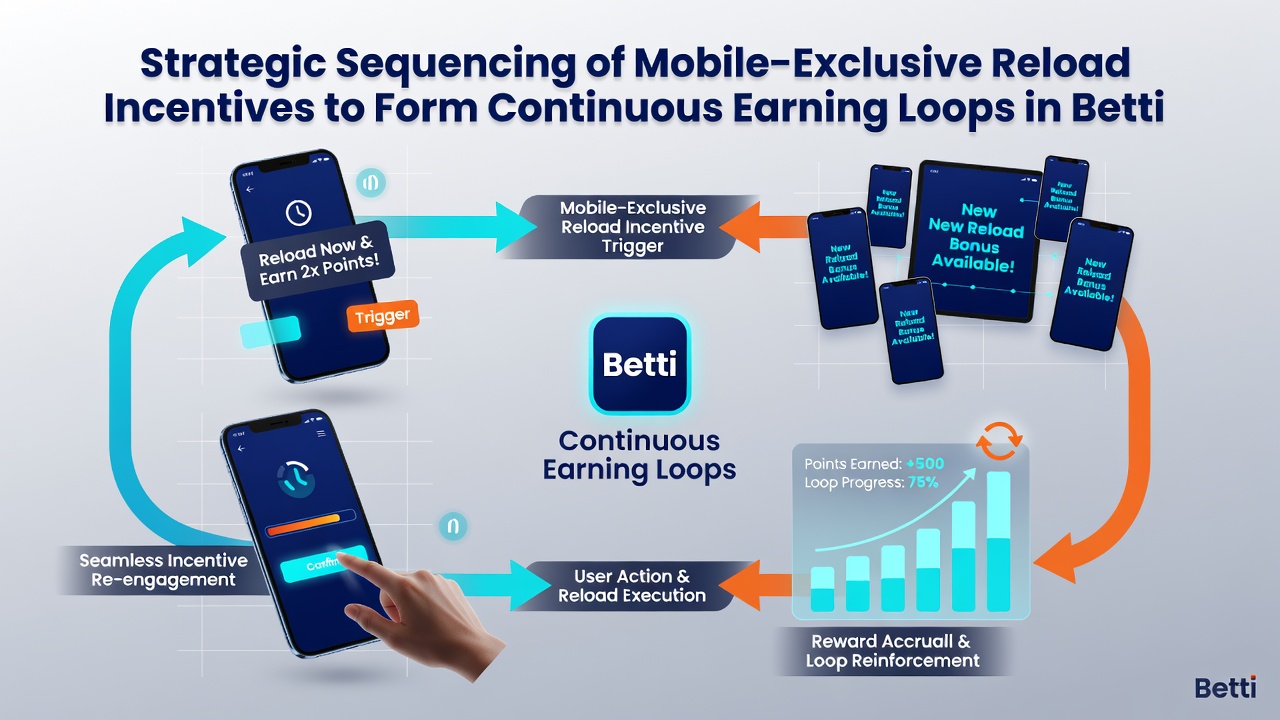
Strategic sequencing relies on aligning the expiry dates of one incentive with the activation window of the next. For example, a 48-hour reload credit that must be used by Thursday evening can feed directly into a weekend deposit boost that requires a minimum top-up amount matching the remaining balance from the prior bonus. This alignment reduces idle periods and maintains the flow of funds through the account without requiring additional external deposits.
Figures from the Canadian Centre for Gaming Research reveal that accounts participating in chained reload sequences show deposit frequency increases of 30-45% compared with accounts using isolated promotions. The pattern holds across both sports and casino verticals, although sports-focused apps tend to attach reloads to specific events such as midweek football matches or weekend horse racing cards.
Integration with Broader Platform Features
Many operators now embed reload sequencing inside loyalty frameworks where points earned from one cycle convert into entry requirements for the next. This integration means that a user finishing a Monday-through-Thursday sequence can exchange accumulated points for an enhanced Friday reload percentage, thereby extending the loop without separate promotional codes. Industry reports compiled by the European Gaming and Betting Association document similar point-to-reload conversions across multiple jurisdictions, noting that the approach stabilises user spend patterns over monthly periods.
Technical Implementation and Timing Considerations
Push notifications and in-app banners serve as the primary delivery mechanisms for sequenced offers, and these alerts activate based on real-time account data rather than fixed calendars. Developers configure the timing engines to detect when a user has cleared the playthrough on one reload, at which point the system automatically surfaces the next eligible deposit match. This automation reduces manual code entry and keeps the sequence moving without user-initiated searches through menus.
June 2026 updates to several major platforms introduced dynamic cap adjustments that scale the maximum reload amount according to a user's average monthly deposit volume, rewarding consistent participants with higher ceilings while capping exposure for newer accounts. Such adjustments rely on backend algorithms that reference historical transaction data stored within the mobile application itself.
Regulatory Context Across Jurisdictions
Regulators in multiple regions require clear disclosure of reload terms within the app interface before any deposit is processed, and this obligation extends to the sequencing rules that determine future eligibility. The Nevada Gaming Control Board, for instance, mandates that operators display the full chain of potential reload values and associated wagering requirements in a single accessible screen. Similar transparency rules appear in guidelines issued by the New Zealand Department of Internal Affairs, where operators must log user acknowledgments of each sequenced offer before crediting the account.
Compliance teams therefore design the mobile flows so that each reload claim screen includes a summary of the subsequent two or three offers in the sequence, allowing users to review the extended commitment before proceeding. These summaries update automatically when regulatory changes alter maximum bonus sizes or playthrough multipliers.
Conclusion
The combination of mobile-exclusive access, timed reload percentages, and automated sequencing produces measurable activity loops within betting applications. Available data indicates that structured chains of reload incentives sustain engagement when expiry dates and playthrough targets align, and operators continue to refine the technical delivery of these sequences through app-based notifications and loyalty integrations. Regulatory frameworks in several jurisdictions now address the disclosure of these chained offers, requiring operators to present future eligibility details alongside each individual claim.