Cashback Integration: Merging Rebate Mechanisms with Established Bonus Matching Protocols in the UK Market
Wendy Powell · Jun 1, 2026

Cashback Integration: Merging Rebate Mechanisms with Established Bonus Matching Protocols in the UK Market
UK betting operators have expanded their promotional structures over recent years, incorporating cashback systems alongside traditional bonus matching arrangements that many users already navigate through established protocols. These developments create layered incentive models where rebates on net losses combine with initial deposit matches, allowing participants to calculate returns based on multiple variables rather than isolated offers. Data from industry tracking services shows steady adoption of such hybrid structures among major platforms as of June 2026.
Rebate mechanisms typically return a percentage of qualifying losses after a set period, while bonus matching protocols credit additional funds proportional to deposits up to predefined caps. When integrated, these elements require precise staking sequences to balance exposure across both components, since cashback calculations often exclude bonus-derived activity whereas matching bonuses trigger separate playthrough requirements. Observers note that software tools designed for stake precision help users align these timelines without overlap conflicts.
Core Mechanics of Integrated Systems
Operators structure cashback tiers according to user activity levels, with higher rebate percentages unlocked after cumulative bets reach certain thresholds, and these tiers frequently interact with bonus matching terms that reset on a monthly cycle. One common configuration applies a 5 to 15 percent rebate on monthly losses, yet the rebate amount itself may convert into a bonus that carries its own wagering conditions before withdrawal eligibility. Researchers at academic institutions studying incentive design, including work affiliated with the University of Nevada's gaming research program, have documented how such dual-layer conditions alter optimal staking patterns compared to standalone offers.
Matching protocols establish the initial deposit multiplier, commonly ranging from 50 to 100 percent, and cashback integration extends value beyond that first stage by returning portions of any subsequent drawdown. Participants therefore track two separate ledgers: one for bonus release milestones and another for rebate qualification periods. Industry reports from the European Gaming and Betting Association highlight that platforms employing integrated models report higher average session durations because users extend activity to meet combined criteria.
Operational Patterns Observed in June 2026
By June 2026 several operators had adjusted their terms to prevent rebate stacking with certain matched bonuses, prompting users to sequence their plays across separate accounts or time windows. These adjustments reflect ongoing refinements where operators limit exposure by excluding cashback-eligible bets from bonus contribution counts. Such changes appear in platform updates that specify eligible bet types, minimum odds thresholds, and exclusion lists for accumulator or in-play markets.
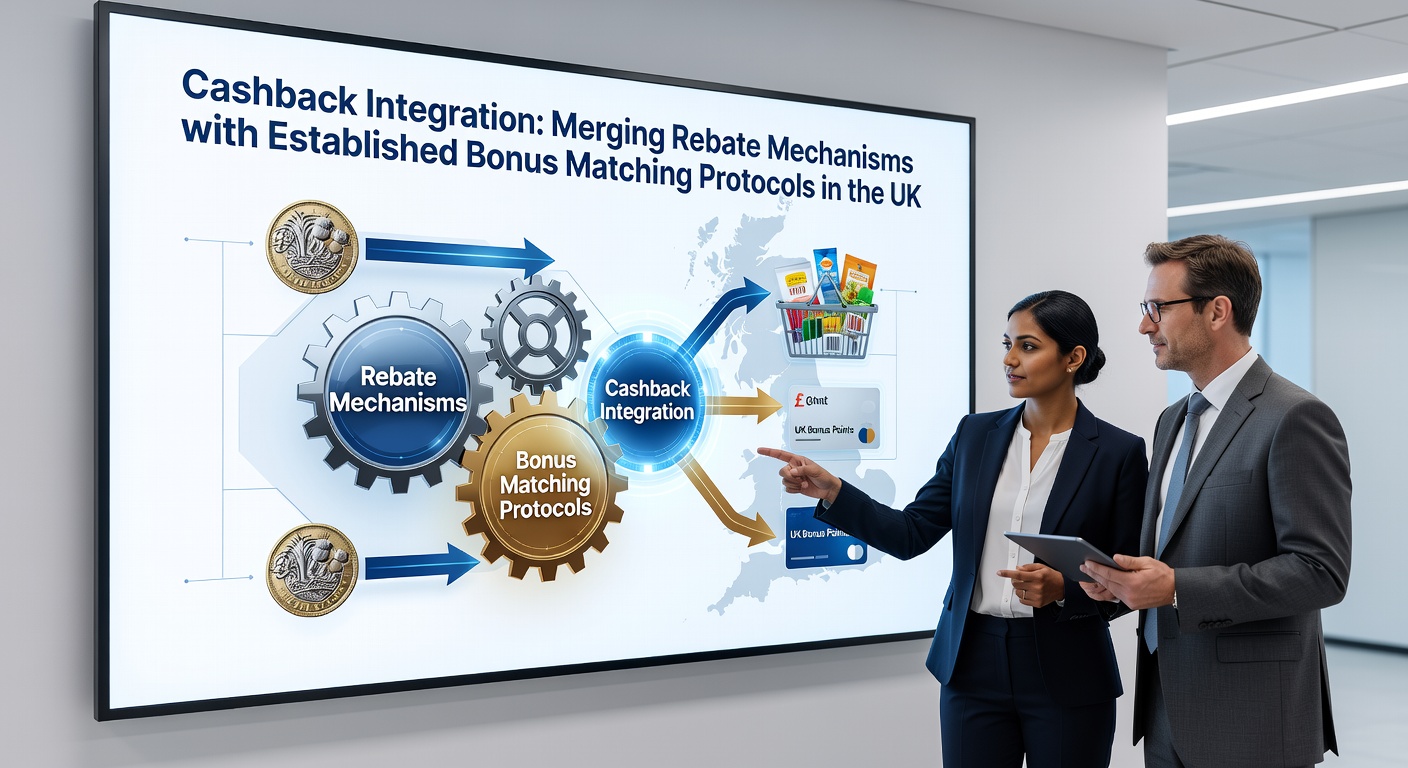
Users who coordinate these elements often employ calculators that input deposit amounts, expected loss rates, and rebate percentages to project net outcomes after all conditions clear. The calculations account for the fact that cashback usually credits as real money or a low-condition bonus, whereas matched funds require full turnover before becoming withdrawable. This distinction creates decision points where users choose whether to pursue the rebate or prioritize bonus release first.
Interaction with Multi-Platform Strategies
Integrated cashback and matching offers extend across multiple operators because each site maintains independent qualification windows and exclusion rules. Users therefore distribute activity to capture rebates from one platform while completing matching requirements on another, provided no shared device or payment method flags trigger restrictions. Reports from regulatory bodies in other jurisdictions, such as those issued by Australia's state-level gambling authorities, indicate similar cross-operator coordination occurs where hybrid incentives exist.
Timing becomes critical when cashback periods end mid-month while bonus playthrough windows extend into the following cycle. Operators publish calendars listing exact cut-off dates for loss calculations and bonus expiry, allowing systematic planning. Those coordinating across sites maintain spreadsheets that log each platform's parameters to avoid missing qualification windows or double-counting activity.
Conclusion
Cashback integration with bonus matching protocols has produced more complex promotional landscapes in the UK market by June 2026, requiring users to manage overlapping conditions through careful sequencing and calculation. These systems continue to evolve as operators refine terms to balance user engagement with risk management, and available tools support precise tracking of the dual requirements. External analyses from organizations such as the International Association of Gaming Regulators provide broader context on how comparable structures function in different regulatory environments.