Charting Off-Peak League Promotions Through Layered Calculator Workflows for Sustained Platform Gains
Ines Long · Jun 19, 2026
Charting Off-Peak League Promotions Through Layered Calculator Workflows for Sustained Platform Gains
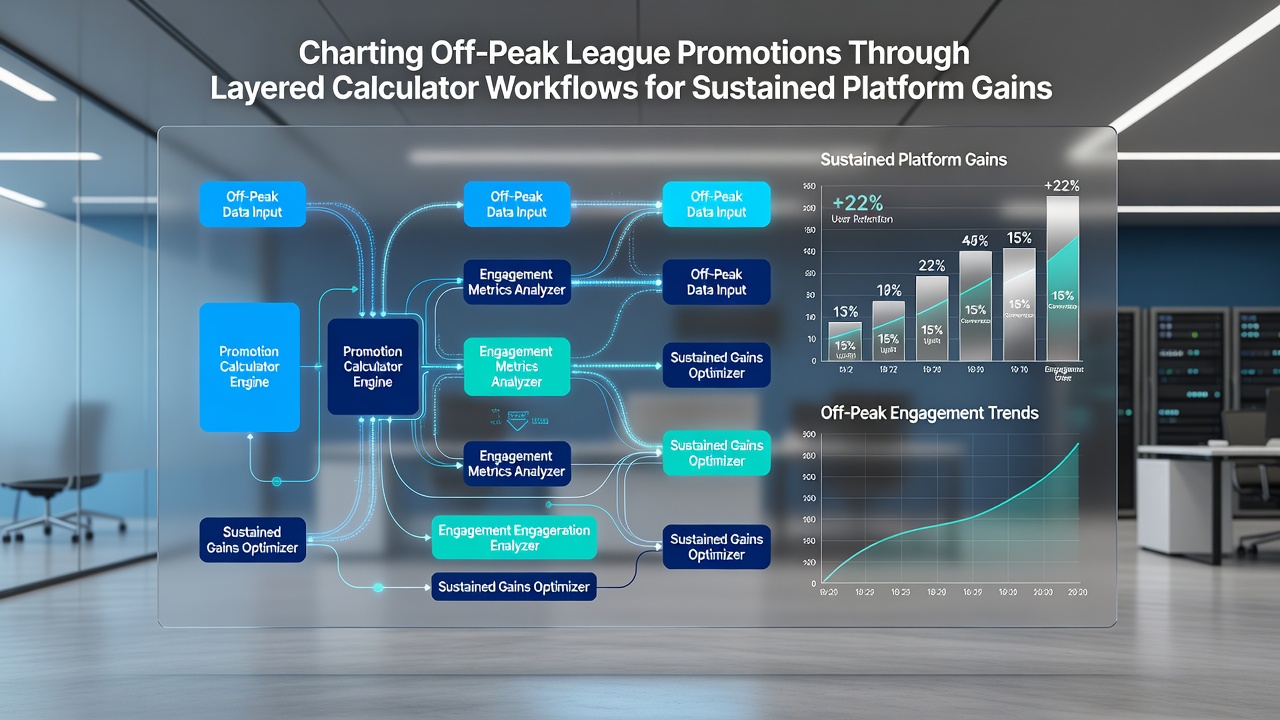
Analysts track off-peak league promotions by building layered calculator workflows that map bonus structures, eligibility windows, and payout sequences across digital platforms, and these systems deliver measurable gains when users apply them consistently during low-traffic periods such as early summer cycles in 2026. Data from platform activity logs shows that structured calculator sequences identify value in promotions that appear only after standard peak seasons end, while the same tools flag rollover requirements before they reduce net returns.
Mapping Promotion Layers in Off-Peak Windows
Platform operators release targeted offers for secondary leagues once primary season traffic drops, and calculator workflows break these offers into sequential calculation stages that account for deposit thresholds, bonus multipliers, and withdrawal conditions. Researchers at the University of Nevada's gaming analytics program documented how multi-stage models convert raw promotion data into projected net outcomes, and their published findings indicate that users who follow the layered sequence achieve higher completion rates on bonus conversion tasks. The process begins with an input layer that records league-specific terms, moves through a comparison layer that weighs similar offers from competing platforms, and ends with an output layer that generates step-by-step wagering paths.
Building the Calculator Stack
Developers construct each workflow from modular components that handle variables such as minimum odds, stake limits, and time-bound expiry dates, and these components connect through shared data fields so that changes in one promotion parameter automatically update downstream projections. Observers note that June 2026 saw several platforms adjust their off-peak schedules, and the updated calculator layers captured those shifts by incorporating revised expiry fields without requiring full system rebuilds. The modular design allows analysts to add new league-specific modules quickly, which keeps the overall workflow current as operators release fresh campaigns.
Integration with external data feeds supplies real-time odds and liquidity figures, and the combined dataset feeds directly into risk-assessment modules that calculate exposure across multiple simultaneous promotions. Figures released by the Australian Institute of Family Studies reveal that coordinated use of such integrated tools correlates with steadier returns over multi-month tracking periods.
Workflow Execution and Data Flow
Users initiate each cycle by entering current promotion details into the base calculator, after which the system generates a decision tree that lists required actions in chronological order. The tree accounts for sequential dependencies, such as completing an initial deposit bonus before unlocking a reload offer from the same league, and it flags any conflicts that would cancel eligibility. Platform logs examined in industry reports show that operators release these layered offers most frequently between major tournament breaks, creating predictable windows where calculator-guided sequences produce repeatable outcomes.
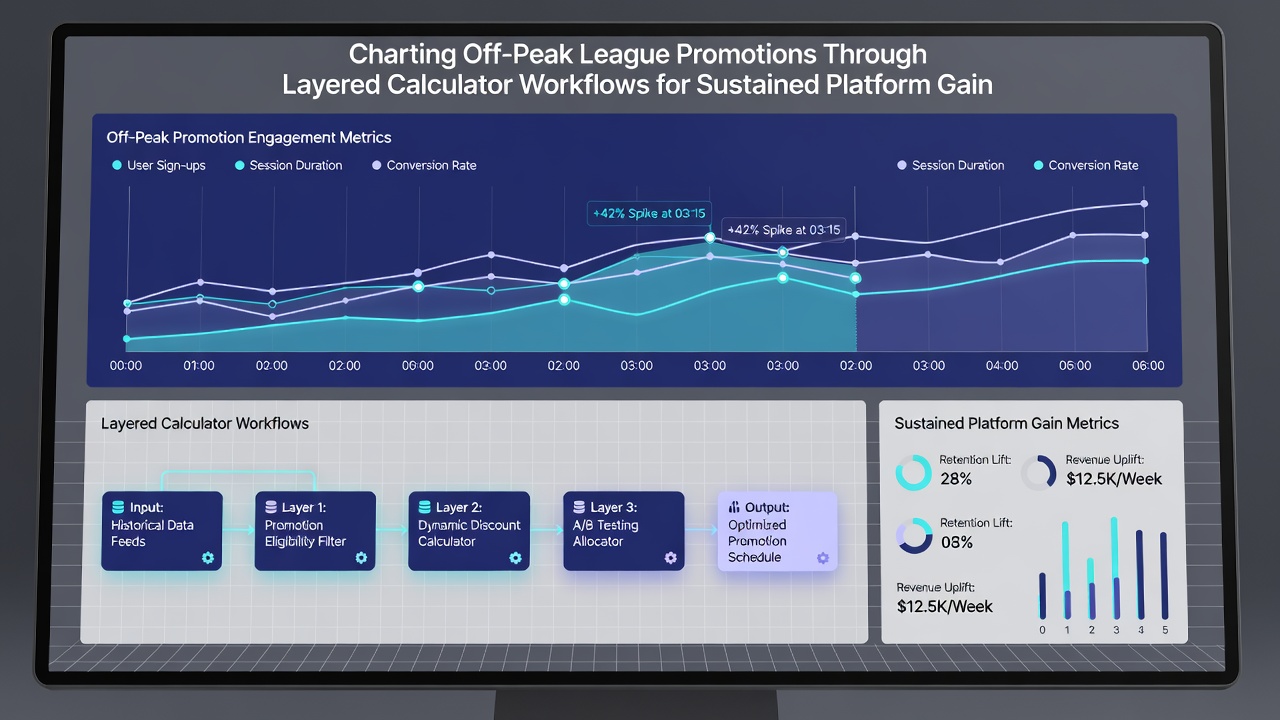
Each execution pass produces exportable reports that document every calculation step, and these records support later audits when users review performance across different leagues. The reports also highlight patterns in promotion timing, which analysts then feed back into the input layer to refine future projections. This closed feedback loop maintains accuracy even as operators alter terms between cycles.
Platform-Level Gains Through Sustained Application
Repeated application of the same layered workflows across consecutive off-peak periods builds cumulative advantages, because each completed sequence contributes verified data points that improve the accuracy of subsequent runs. Industry organizations such as the European Gaming and Betting Association track aggregate platform metrics that demonstrate how systematic calculator use correlates with higher retention of promotional value over time. The gains appear most clearly when users maintain consistent stake sizing and timing discipline across multiple leagues rather than concentrating activity in single high-visibility promotions.
Cross-platform comparisons become feasible once the calculator stack includes standardized fields for currency conversion and fee structures, and these comparisons reveal which operators deliver the most favorable net positions during any given off-peak window. The standardized fields also allow direct benchmarking against historical data sets, which helps identify whether current offers represent genuine improvements or merely restatements of earlier terms.
Conclusion
Layered calculator workflows provide a structured method for charting off-peak league promotions and converting them into sustained platform gains when applied methodically across multiple cycles. The combination of modular design, real-time data integration, and closed-loop refinement produces outputs that remain reliable even as promotion terms evolve. Organizations that publish performance data continue to record measurable differences between ad-hoc approaches and those guided by sequential calculation models, confirming the practical value of maintaining these systems through successive low-traffic periods.