Charting Profit Pathways Through Sequential Incentive Layers in Domestic Wagering Apps
Harper Albrecht · Jun 12, 2026
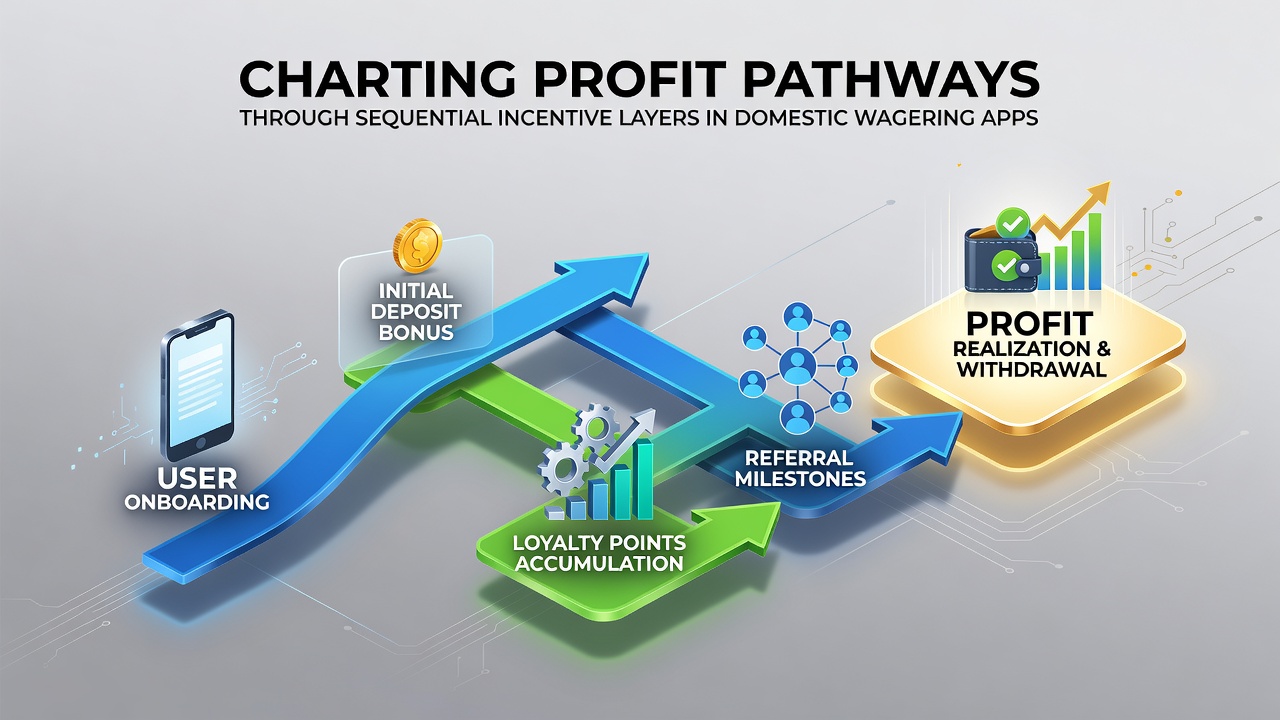
Charting Profit Pathways Through Sequential Incentive Layers in Domestic Wagering Apps
Domestic wagering apps organize incentives into stacked sequences that users navigate step by step, beginning with account creation rewards and progressing through deposit matches, activity-based credits, and tiered loyalty programs. These layers function as connected stages where completion of one unlocks access to the next, creating defined routes that operators design to sustain engagement across multiple sessions. In June 2026 several state-licensed platforms updated their structures to align with revised tax reporting requirements, which shifted how credits convert into usable balances and affected the timing of progression between layers.
Mapping the Initial Access Layer
The entry point typically combines a verified account bonus with an initial deposit match that releases in increments tied to minimum wagering thresholds. Operators release portions of these credits after users complete designated activities such as placing qualifying wagers on specific event types or achieving volume targets within a set window. Data from the American Gaming Association shows that participation rates in these opening sequences rose 18 percent year-over-year in regulated markets during the first half of 2026, reflecting broader adoption of mobile platforms in states that expanded legal offerings.
Progression Through Activity and Reload Sequences
Once the initial layer completes, users move into reload and streak-based incentives that reward repeated deposits or consecutive days of play. These middle sequences often include cashback percentages calculated on net losses over defined periods and bonus funds that scale with deposit size. Platforms integrate these offers with in-app tracking dashboards that display remaining requirements for unlocking the subsequent tier, allowing users to plan sequences in advance. Research published by the University of Nevada, Las Vegas Center for Gaming Research indicates that structured reload pathways correlate with higher retention metrics when operators provide clear visual progress indicators.
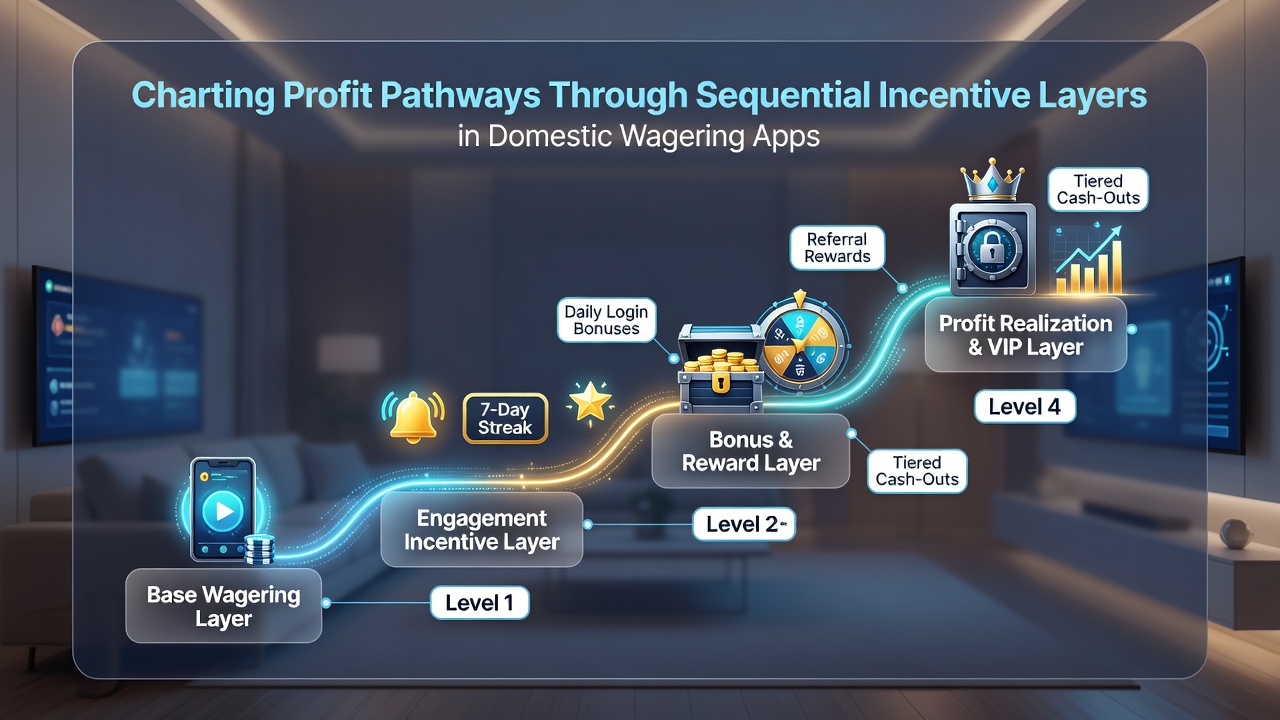
Advancing Into Loyalty adn VIP Tiers
Higher layers grant access through cumulative point accumulation that converts into personalized rewards such as enhanced odds, exclusive event access, and accelerated withdrawal processing. Point systems calculate value across multiple metrics including total handle, diversity of markets played, and referral activity. In June 2026 several major operators introduced cross-state loyalty synchronization that lets users carry progress between licensed apps operating under the same parent company, reducing fragmentation that previously limited movement between layers. Industry reports from the Canadian Gaming Association highlight similar multi-tier models in provincial markets where sequential advancement produced measurable increases in average user lifetime value.
Technical Tools Supporting Pathway Navigation
Apps now embed calculators and simulation features that project outcomes across different sequences before users commit funds. These tools factor in release rates, expiration windows, and minimum odds requirements to illustrate net position at each stage. External data aggregators compile anonymized user journey statistics that operators reference when refining layer thresholds. Observers note that transparent display of these variables reduces early-stage drop-off because participants understand the full sequence rather than encountering hidden conditions mid-progression.
Regulatory Adjustments Affecting Layer Design
State gaming boards in multiple jurisdictions implemented updated responsible gaming overlays in early 2026 that require explicit disclosure of incentive terms at each transition point. These rules mandate separate opt-in confirmations before advancing from one layer to the next, which lengthens teh time required to complete sequences but increases compliance documentation. Figures released by teh New Jersey Division of Gaming Enforcement reveal that such transparency measures coincided with a modest decline in dispute filings related to misunderstood bonus conditions during the spring quarter of 2026.
Conclusion
Sequential incentive structures in domestic wagering apps continue to evolve through connected stages that reward sustained navigation while incorporating new compliance features. Platforms refine these pathways based on retention data and regulatory guidance, producing clearer routes that users can chart with built-in tools. As additional states finalize licensing frameworks, operators adjust layer parameters to maintain engagement within updated operational boundaries.