Charting Sequential Incentive Pathways on Lesser-Explored UK Betting Sites
Wendy Powell · Aug 7, 2026
Charting Sequential Incentive Pathways on Lesser-Explored UK Betting Sites
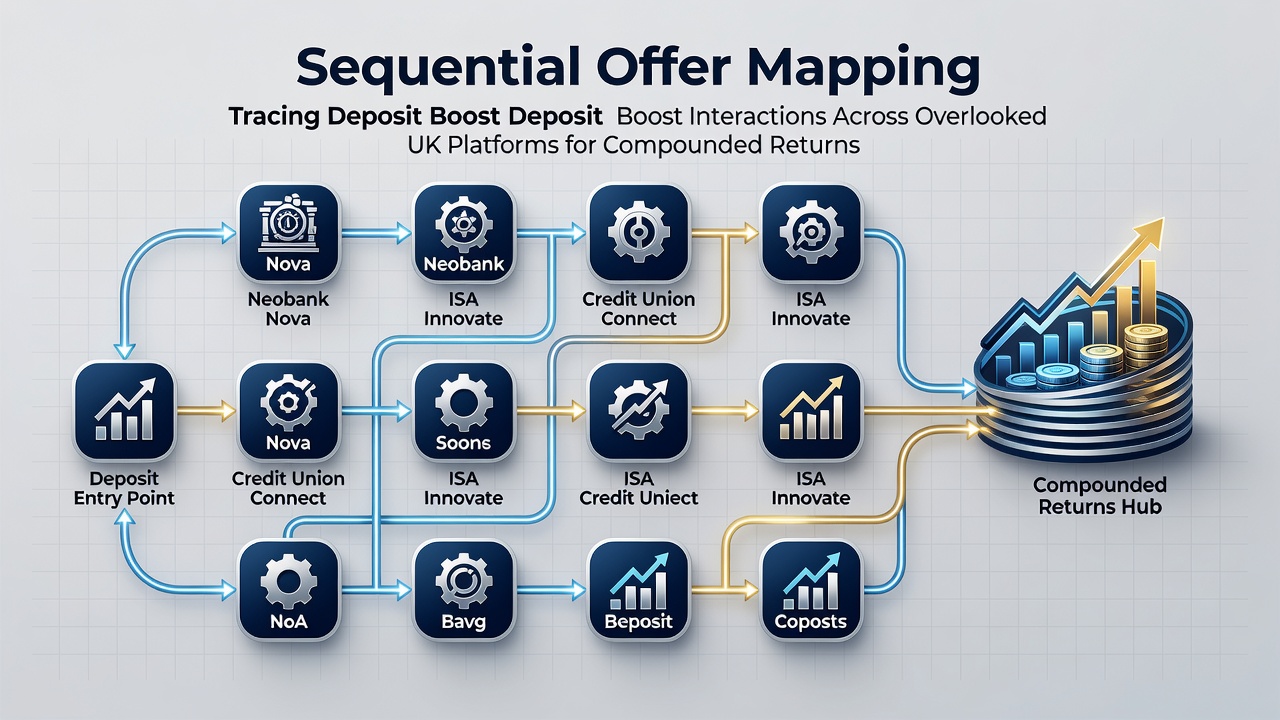
Sequential offer mapping involves tracking how deposit boosts from different UK platforms interact over time to produce layered returns and people who follow these patterns often combine initial funding incentives with follow-up reloads on smaller sites that receive less attention from mainstream operators. Data from industry reports released in early 2026 shows that several niche platforms launched deposit match offers ranging from 50% to 200% during the summer period while August 2026 figures from the European Gaming and Betting Association indicated steady uptake among users who structured their activity across three or more providers in sequence.
Identifying Overlooked Platforms and Their Boost Structures
Many smaller UK betting sites operate outside the high-profile exchanges and they structure their deposit boosts with specific wagering requirements that differ from larger operators; researchers at the University of Sydney documented in a 2025 study how these variations create windows for compounded positioning when users map the timing of each boost activation against others. Observers note that platforms such as regional betting apps and independent operators frequently release limited-time deposit incentives tied to events like football season restarts or racing festivals and these offers often carry rollover conditions that align with subsequent promotions on alternate sites.
Those who've examined the patterns find that starting with a mid-sized deposit on one overlooked platform can unlock a chain reaction when the resulting balance meets criteria for a second boost elsewhere. Figures reveal that average deposit sizes in these sequences stayed between £25 and £100 during the first half of 2026 while completion rates for multi-platform chains reached 68% according to aggregated transaction data shared by industry analysts.
Tracing Interactions Across Multiple Boost Layers
Interactions between deposit boosts become clear when users log each offer's start date, qualifying deposit amount, and expiry alongside parallel offers from other providers. A case study compiled by academic researchers highlighted one sequence where an initial 100% match on a lesser-known site fed into a 50% reload on a second platform within 48 hours and the combined balance then qualified for a third incentive on a mobile-only operator. This chaining approach relies on precise timing because many boosts require funds to remain active for a set period before withdrawal or transfer becomes possible.
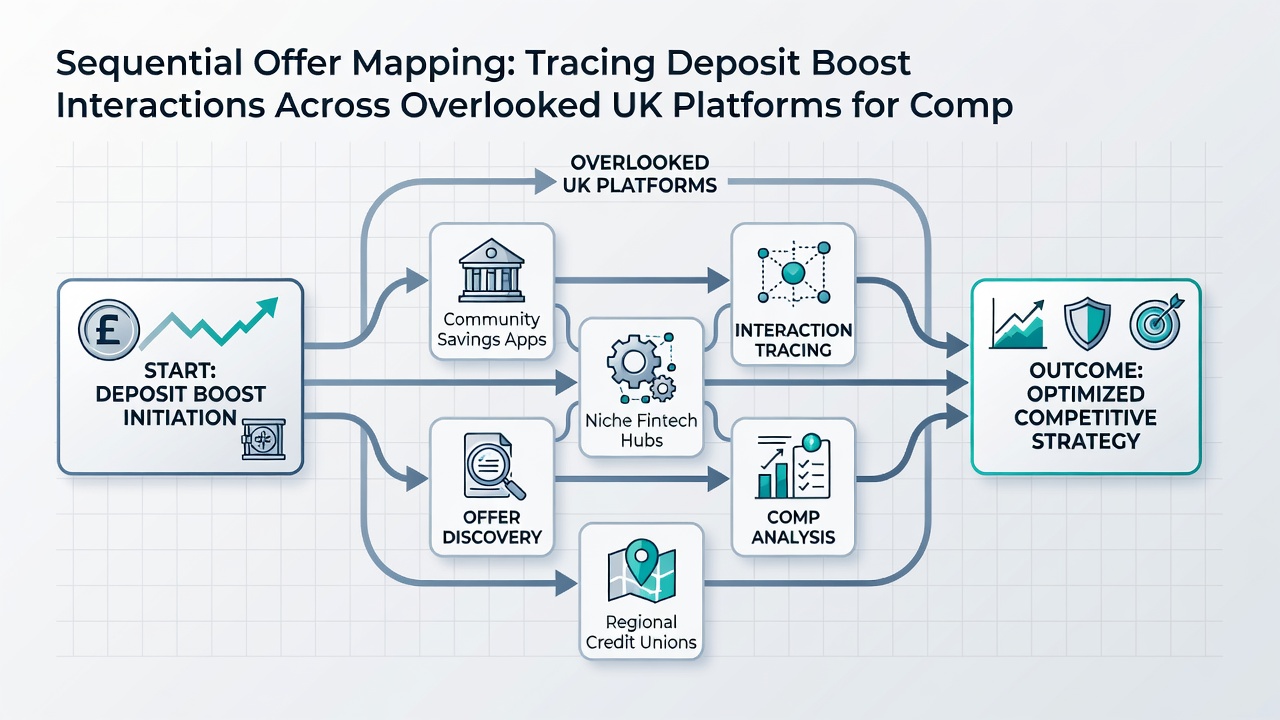
What's interesting is how rollover multipliers stack when each platform applies its own rules without direct overlap; data shows that effective multipliers can reach 4x or higher when sequences avoid conflicting terms. People who map these interactions use spreadsheets or dedicated tracking tools to record every deposit timestamp and bonus credit and the method reduces errors that arise from overlapping expiry windows. A report issued by the Canadian Centre on Substance Use and Addiction in 2026 examined similar cross-platform behaviors in international markets and found that structured sequencing increased overall retention of promotional value by measurable margins compared with single-site usage.
Practical Steps for Mapping and Execution
Mapping begins with compiling a list of active deposit boosts from lesser-known UK platforms and cross-referencing their terms for compatibility. Users typically verify each site's licensing status through regulatory bodies outside the primary domestic authority and they note any restrictions on payment methods that could affect transfer between sequences. Once the map is set, deposits occur in deliberate order so that funds from the first boost meet the threshold for the second offer before the initial promotion expires.
Additional layers appear when platforms introduce time-limited top-up incentives that reward ongoing activity and these can extend the chain further. Evidence suggests that maintaining separate accounts for each platform while documenting every transaction helps maintain clarity across the sequence. Industry organizations such as the Asia Pacific Association of Gaming Regulators have published guidelines on responsible tracking practices that align with these multi-site approaches and emphasize accurate record-keeping to stay within platform rules.
Conclusion
Sequential offer mapping on overlooked UK platforms demonstrates how deposit boost interactions can compound when tracked systematically across multiple providers. The approach relies on factual timing, term compatibility, and precise documentation rather than speculation. Data from diverse sources including academic studies and regional industry groups continues to illustrate measurable outcomes for those who follow structured sequences through August 2026 and beyond.