Coordinating Platform Ecosystems for Layered Onboarding Incentives Among Regional Market Operators
Wendy Powell · Jun 15, 2026
Coordinating Platform Ecosystems for Layered Onboarding Incentives Among Regional Market Operators
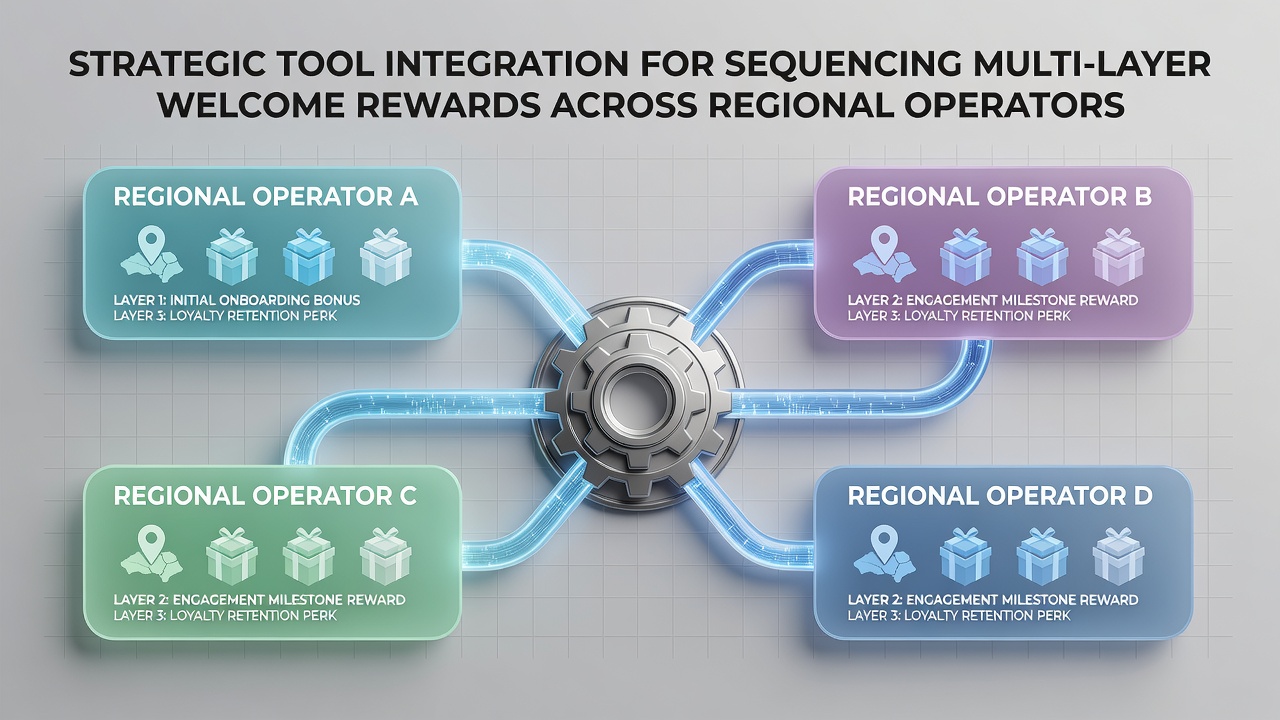
Operators across multiple jurisdictions now rely on integrated software platforms to sequence welcome rewards that unfold across several tiers, and these systems align deposit matches, free spins, and cashback structures with local regulatory timelines. Regional operators in North America, Europe, and Asia Pacific deploy centralized dashboards that pull data from compliance modules while automatically adjusting bonus release schedules based on player verification status.
Platform Components That Drive Sequencing Logic
Core tools combine customer relationship management databases with regulatory tracking engines, and they allow operators to release initial sign-up bonuses only after identity checks clear in one market while holding secondary deposit matches until wagering thresholds meet standards in another. These integrations pull real-time feeds from payment processors and identity verification services, then route each reward layer through conditional triggers that prevent premature payouts.
One study released by the National Council on Problem Gambling in June 2026 highlighted how synchronized sequencing reduced bonus abuse incidents by aligning release dates with player activity patterns across state lines. Data showed that platforms linking bonus engines directly to geolocation services achieved higher compliance rates when operators expanded into new Canadian provinces and Australian territories.
Regional Variations in Reward Architecture
European operators often structure first-layer rewards around low wagering requirements tied to national gambling levies, whereas North American counterparts sequence higher-value deposit matches behind stricter age-verification protocols. Integration software maps these differences into unified rule sets so that a single player account migrating between regions encounters consistent yet jurisdiction-specific triggers.
Industry associations such as the European Gaming and Betting Association report that operators using API-driven sequencing tools cut manual reconciliation time by 40 percent when managing welcome packages across borders. The same platforms incorporate audit trails that satisfy reporting demands from bodies like state gaming control boards in the United States and provincial regulators in Canada.
Data Flows and Compliance Automation
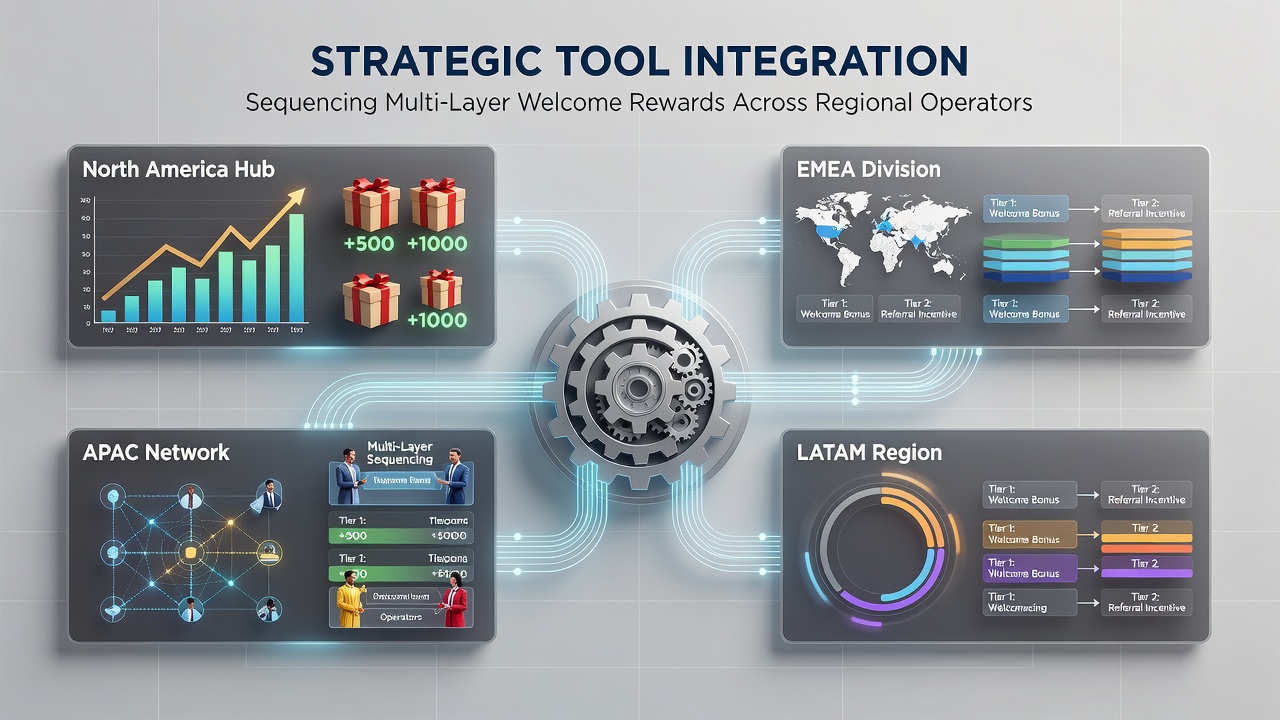
Automated pipelines feed player registration data into bonus orchestration engines that apply market-specific multipliers and expiration rules, while machine learning modules predict optimal sequencing intervals based on historical redemption rates. Operators connect these engines to external research from university studies on gambling behavior, including work published by the University of Sydney's Gambling Treatment and Research Centre, to refine release timing without violating local caps on promotional value.
Systems also embed fallback protocols that pause subsequent reward layers if a player triggers responsible gambling flags in any connected jurisdiction. This cross-regional visibility emerged as standard practice after several operators expanded operations in 2025 and encountered conflicting bonus regulations between neighboring markets.
Implementation Patterns Observed in 2026
By June 2026 multiple mid-sized operators had completed full migrations from siloed bonus systems to unified platforms that handle sequencing across up to seven regulatory environments simultaneously. These migrations typically begin with mapping every welcome reward component to a shared data schema, then proceed to testing conditional triggers against simulated player journeys drawn from anonymized datasets.
Trade groups including the Asia Pacific Association of Gaming Regulators note that successful integrations depend on modular architecture allowing quick updates when new tax or levy rules appear in individual jurisdictions. Platforms that isolate each region's rule set within the larger engine enable operators to activate or deactivate specific layers without disrupting sequences in other markets.
Conclusion
Strategic integration of sequencing tools continues to reshape how regional operators deliver multi-layer welcome rewards while maintaining compliance across diverse regulatory landscapes. Data from industry and academic sources indicates that unified platforms improve both operational efficiency and adherence to jurisdiction-specific requirements when properly configured. Operators that maintain flexible rule engines position themselves to adapt sequences quickly as markets evolve.