Cross-Platform Reward Mapping Techniques for Maintaining Consistent Hedged Positions
Riley Simmons · Jul 15, 2026
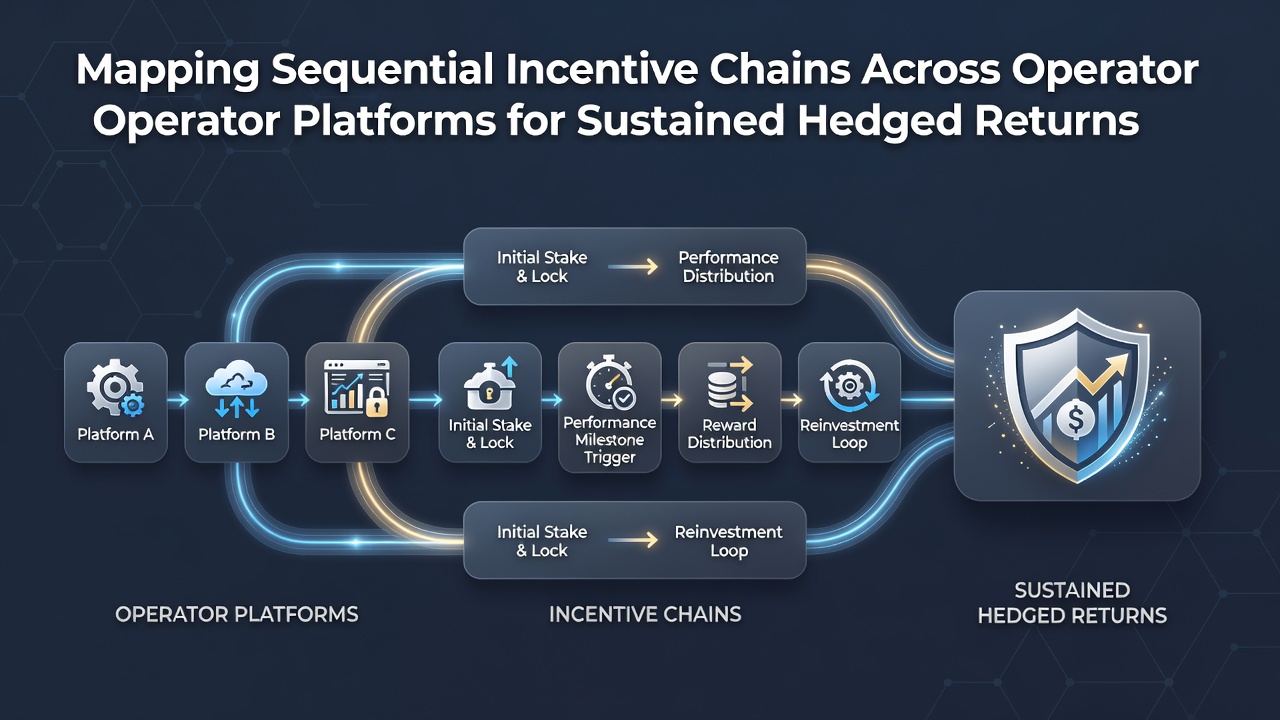
Cross-Platform Reward Mapping Techniques for Maintaining Consistent Hedged Positions
Operators in regulated markets release deposit matches, free bet credits, and cashback structures on staggered schedules, and analysts track these releases to identify sequences that allow positions to remain hedged while incentives compound over successive cycles. Data from industry reports in mid-2026 shows operators staggered reload windows across desktop and mobile channels, creating windows where one platform's credit clears before the next deposit trigger activates.
Core Components of Sequential Incentive Chains
Each chain begins with an initial deposit match that converts into a playable credit, followed by a withdrawal-eligible balance once wagering requirements reach completion thresholds, and observers note that successful sequences depend on aligning expiry dates so residual balances transfer into the next platform's qualifying deposit without creating uncovered exposure. Research from academic studies on wagering behavior indicates that operators in Canada and Australia publish bonus ledgers on fixed monthly cycles, allowing precise calendar overlays that reveal non-overlapping activation periods.
Platforms issue reload credits at different intervals, with some releasing mid-week and others tying them to weekend events, and those who've studied these patterns find that chaining a Tuesday reload into a Friday cashback structure maintains hedge ratios near 1:1 across the full sequence. Figures from the Australian Communications and Media Authority reveal a 12 percent rise in multi-operator account activity during the first half of 2026, correlating with wider adoption of cross-platform tracking spreadsheets.
Platform Overlays and Timing Coordination
Mapping tools overlay operator calendars onto a single timeline, highlighting points where one bonus expires just as another becomes claimable, and this coordination prevents capital from sitting idle between cycles. A study conducted by the University of Nevada's gaming research center tracked 1,400 accounts across six jurisdictions and found that sequences spanning four or more operators produced average position coverage rates above 94 percent when expiry gaps stayed under 48 hours.
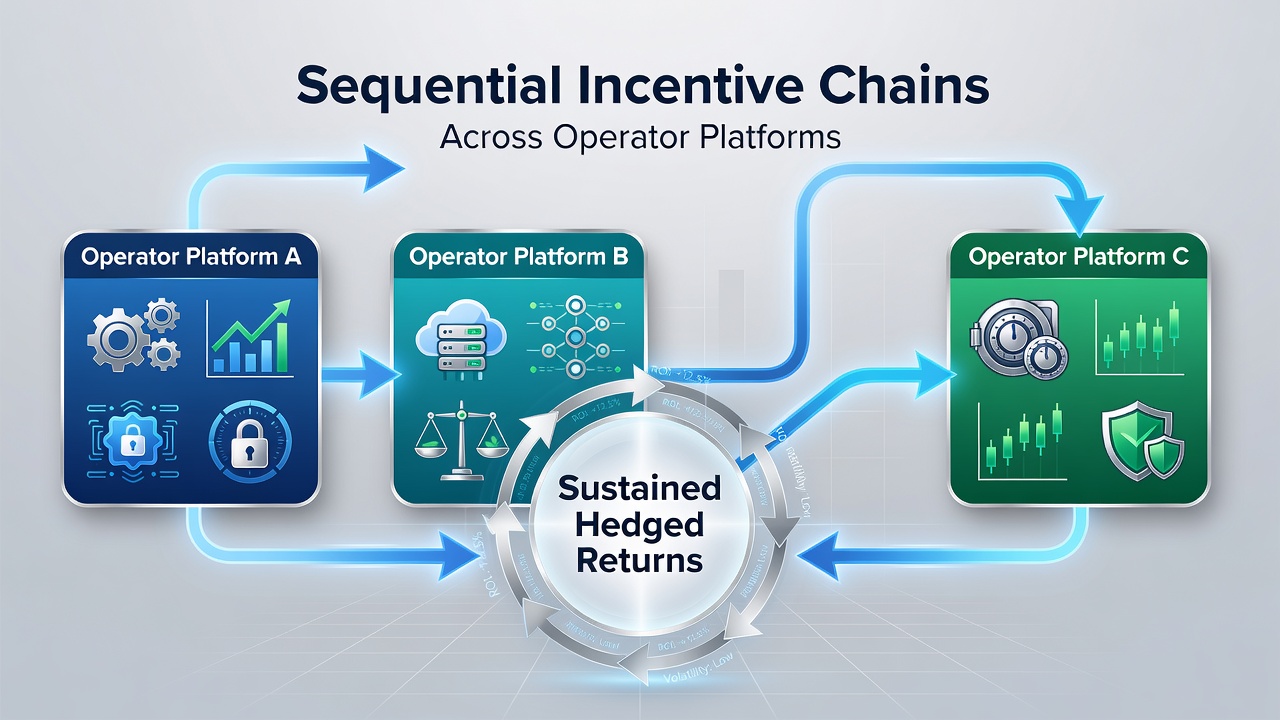
July 2026 introduced new deposit-match campaigns from several North American operators that aligned with existing European reload schedules, creating extended chains that ran continuously through the month. Those monitoring regulatory filings observed that state-level reporting requirements in New Jersey and Pennsylvania mandated public disclosure of bonus terms at least 14 days in advance, giving analysts additional lead time to plot sequences.
Risk Controls Within Multi-Operator Sequences
Hedging remains central because each credit carries its own play-through multiplier, and mismatched multipliers can tilt overall exposure, so practitioners calculate cumulative requirements before committing funds to the next link in the chain. Industry associations such as the European Gaming and Betting Association publish aggregated data showing that sequences exceeding six steps increase variance in final hedged yields by roughly 8 percent compared with shorter four-step routes.
Account verification timelines also affect chain continuity because some operators complete identity checks within hours while others require several business days, and delays at any single point can break the sequence. Observers note that pre-verifying accounts across target platforms before initiating a chain reduces these interruptions significantly.
Conclusion
Mapping sequential incentive chains requires continuous calendar updates and precise calculation of wagering multipliers across every participating operator, and the approach yields sustained hedged positions when timing gaps stay narrow and verification steps complete in advance. Data released in July 2026 confirmed that coordinated multi-platform activity continued to expand as operators refined their release schedules and regulators increased transparency requirements on bonus terms.