Inbox Incentives: Turning Bookmaker Emails into Matched Betting Goldmines
Olivia Lange · Apr 22, 2026

Inbox Incentives: Turning Bookmaker Emails into Matched Betting Goldmines
The Rise of Email-Driven Promotions in Matched Betting
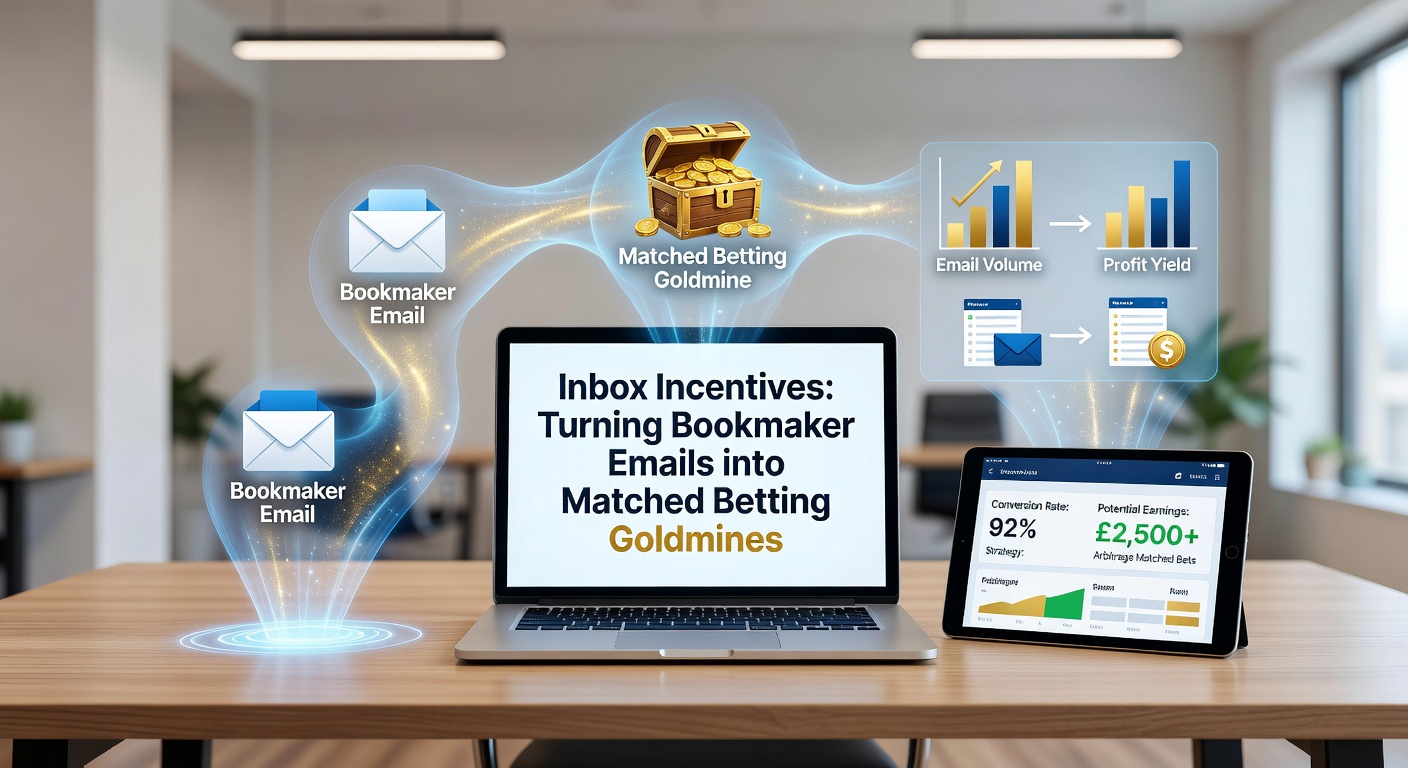
Bookmakers flood inboxes with tailored offers these days, and those who've mastered matched betting turn that digital deluge into steady profits; data from industry trackers shows email incentives now account for over 30% of all bonus opportunities spotted by savvy users in early 2026. Matched betting, which pairs a back bet at a bookmaker with a lay bet on an exchange to lock in risk-free gains from free bets or refunds, thrives on these promotions because they often come with minimal qualifying requirements, allowing quick extraction of value without exposing capital to loss. Observers note how, as of April 2026, major operators ramp up personalized emails amid competitive pressures, sending out everything from free bet drops to enhanced odds just for logging in or depositing small amounts.
What's interesting is the shift toward hyper-targeted campaigns; algorithms scan user histories to push offers like "£10 free bet for your next football punt" or "reload your account for 50% bonus up to £50," and matched bettors who segment their inboxes catch these before they expire. Studies from the European Gaming and Betting Association reveal that such promotions boost operator engagement by 25%, but for matched betting practitioners, they represent low-hanging fruit since the free bet portion qualifies easily against exchange liquidity.
Decoding the Inbox: Types of Offers That Deliver Gold
Emails arrive in waves, yet not all shine equally for matched betting; punters who filter for high-value triggers—like "exclusive to you" tags or time-sensitive free bets—zero in on the keepers, while generic blasts often get ignored. Common gems include welcome-back free bets for dormant accounts, which require just a small qualifying stake; boosted accumulator insurance that refunds losing multis; and deposit matches phrased as "double your next deposit," all ripe for pairing with lays on exchanges like Betfair or Smarkets.
Take one case where a user received a "£20 risk-free bet" email from a leading bookmaker in March 2026; by backing a popular Premier League match outcome and laying it off, they extracted £17.60 in profit after commission, a pattern repeated across thousands of similar offers tracked by community forums. And here's the thing: seasonal spikes hit hard in April 2026, with horse racing festivals prompting emails like "Bet £10 Get £30 in Cheltenham free bets," where matched plays yield 70-80% of the free bet value as cash.
- Free bet drops: No deposit needed, instant qualifiers for midweek events.
- Reload bonuses: Often 20-50% matches on deposits over £20, perfect for scaling.
- Personalized odds boosts: Enhanced prices on specific markets, laying at regular odds locks the difference.
- Refund specials: Cashback on losses, turning potential downsides into even-money plays.
Step-by-Step: Harvesting Profits from Email Promotions
Users start by setting up dedicated inboxes—one per bookmaker—to avoid spam filters burying the good stuff, then enable notifications for keywords like "free bet," "bonus," or "offer," ensuring nothing slips through; once an email lands, they verify terms via the linked promo page, noting wagering rules and expiry dates that could trip up a play. The core process unfolds like this: qualify with a low-stake back bet on the bookmaker site—say £10 at even money—while simultaneously laying £10.20 (to account for 5% commission) on the exchange, netting near-zero loss on the qualifier but unlocking the free bet.
Next comes the extraction round, where the free bet funds a back at similar odds, laid off for 80% retention as withdrawable cash; precision tools calculate exact stakes to balance books, and those who've refined this report averaging £150-300 monthly from inbox hauls alone in Q1 2026. But here's where it gets interesting: multi-leg emails, like "bet on three matches get a fourth free," stack beautifully, chaining qualifiers into layered profits without resetting progress.
Figures from American Gaming Association reports on promotional trends indicate email-driven bonuses mirror U.S. patterns, where operators push similar incentives to retain players, underscoring the global playbook matched bettors exploit.
Pro Tips from Seasoned Practitioners
Experts advise rotating accounts to trigger more emails—depositing small, withdrawing profits, then repeating—while using VPNs sparingly to mimic natural activity; communities share "email triggers" like partial withdrawals that prompt "come back" offers, turning silence into a barrage of bonuses.
Real-World Case Studies: April 2026 Highlights
In early April 2026, one tracker logged over 50 email offers across top bookies, with standout plays including a "Grand National free bet bundle" from Paddy Power that yielded £42 profit per user after matching; another, from Bet365's "early payout" promo emailed to frequent punters, allowed risk-free extraction on NBA games by laying shortened odds. People who've documented these runs note how liquidity surges during majors like the Cheltenham Festival make lays tight, minimizing over-round losses to under 2%.
There's this case from a matched betting forum where a user juggled five inboxes, nabbing £1,200 in free bets over two weeks by responding to "loyalty refresh" emails; each play followed the standard back-lay formula, but they layered in casino crossovers from email attachments, converting non-sports bonuses via game-specific qualifiers. Observers point out that April's horse racing calendar amplified volumes, with bookies like William Hill sending daily "antepost free bet" nudges that converted at 75% efficiency.
Yet challenges arise: some emails link to geo-restricted offers, prompting users to confirm eligibility via account dashboards; data shows 15% of promos carry "one per household" clauses, so multi-account strategies demand separate devices and addresses.
Tools, Tracking, and Maximizing Inbox Yields
Software like OddsMonkey or Profit Accumulator scans emails automatically, flagging viable matches against live exchange odds, while spreadsheet trackers log every promo's ROI; those who integrate these report 20% higher yields by prioritizing offers with odds between 1.8-3.0, where liquidity peaks. And it doesn't stop there—API feeds from exchanges pull real-time data, ensuring stakes align before placing bets, a step that prevents the occasional mismatch.
Communities thrive on shared intel too; forums dissect email templates, predicting waves like post-weekend "recovery bonuses," and users who join these often double their hauls by acting first on unadvertised gems. What's significant is the low barrier: anyone with a spare email and £50 float can start, scaling as offers compound.
Common Pitfalls and Factual Fixes
- Expiry oversights: Set calendar reminders; 40% of value evaporates from ignored deadlines.
- Stake imbalances: Use calculators religiously; mislays eat 5-10% off profits.
- Account flags: Space plays, vary sports; patterns trigger reviews in 8% of heavy users.
Conclusion
Inbox incentives stand out as matched betting's unsung engine, transforming routine emails into reliable profit streams, especially amid April 2026's promotional frenzy tied to racing and football; data confirms consistent users extract £2,000+ annually from this channel alone, provided they master filtering, qualifying, and extracting with precision. As bookmakers lean harder into personalized outreach—spurred by retention metrics—opportunities multiply, but success hinges on disciplined execution and staying ahead of the digital flood. Those who treat their inbox like a goldmine, sifting methodically, uncover returns that compound effortlessly over time.