Mastering Capital Distribution Across Platforms for Layered Incentive Optimization
Harper Albrecht · Aug 10, 2026
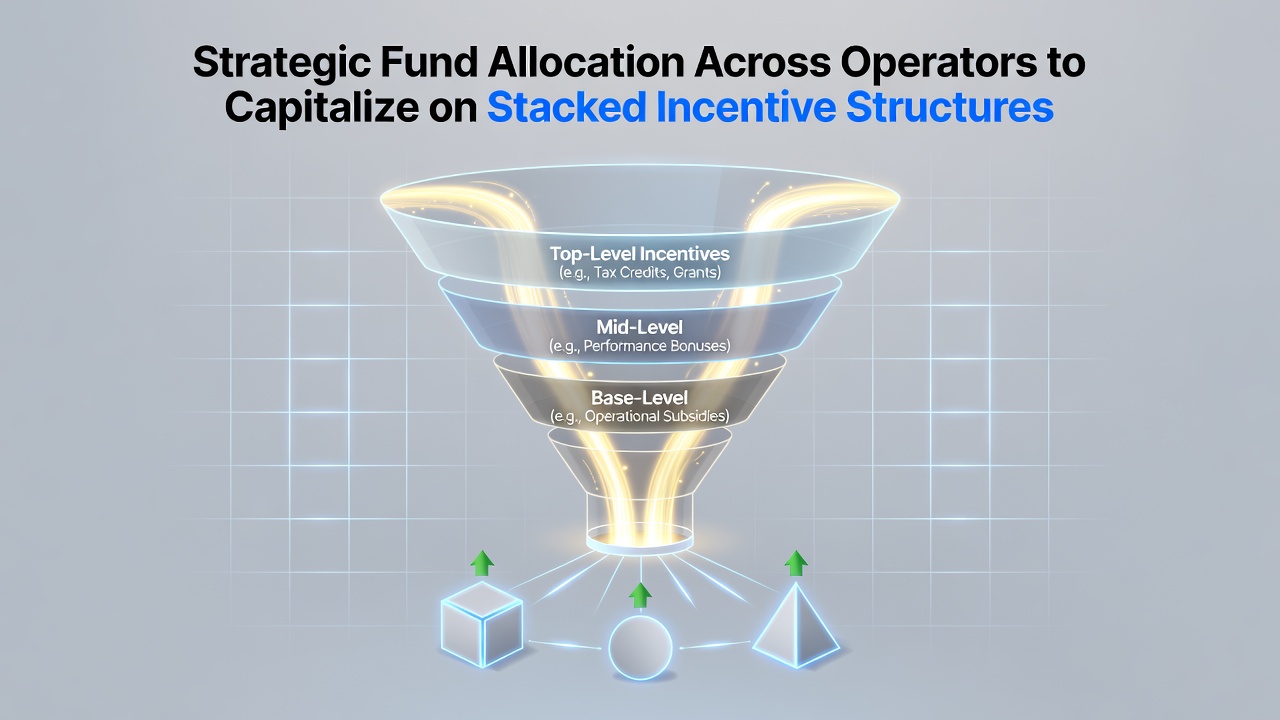
Mastering Capital Distribution Across Platforms for Layered Incentive Optimization
Financial operators have expanded their incentive programs in recent years, creating opportunities for strategic fund allocation that layers bonuses, rewards, and promotional yields across several platforms simultaneously. Data from regulatory filings indicate that institutions such as banks, investment firms, and fintech providers structure these offers to attract deposits, encourage trading volume, and promote long-term asset retention. Observers note that participants who spread capital methodically can align eligibility requirements without violating any single operator's terms.
Core Principles of Multi-Operator Allocation
Effective distribution begins with mapping each operator's incentive criteria, including minimum balance thresholds, holding periods, and transaction frequency rules. Researchers at academic institutions have documented how overlapping requirements across providers allow capital to satisfy multiple conditions at once, provided the allocations remain below any aggregate exposure limits set by internal risk policies. Those who study these structures emphasize the importance of tracking rollover obligations and expiration dates, since missed deadlines can nullify stacked returns.
Practical Sequencing Techniques
One common approach involves sequencing deposits so that funds move through qualifying periods on one platform while simultaneously meeting entry criteria on another. According to industry reports from the Australian Securities and Investments Commission, coordinated timing reduces idle capital and improves overall yield efficiency. Participants often maintain separate ledgers for each operator to monitor compliance with distinct promotional windows, which frequently reset on monthly or quarterly cycles.
Yet the process requires careful attention to liquidity needs, because capital committed to one operator's incentive structure may face temporary lock-up clauses. Figures from the Bank of Canada reveal that diversified allocation across five or more providers can stabilize cash flow when staggered release schedules are employed. Experts have observed that automated tracking tools now assist in flagging conflicts before they arise, particularly when operators update their terms mid-cycle.
Regional Variations in Incentive Structures
Operators in different jurisdictions design incentives with varying degrees of complexity. In the European Union, for instance, cashback and referral layers frequently stack with loyalty points, while North American platforms tend to emphasize trading commission rebates and margin interest reductions. A study published by researchers at the University of Melbourne examined how cross-border participants adjust allocation percentages to account for currency conversion fees and tax reporting differences. Those findings indicate that even modest adjustments in fund weighting can preserve net gains when regulatory environments diverge.
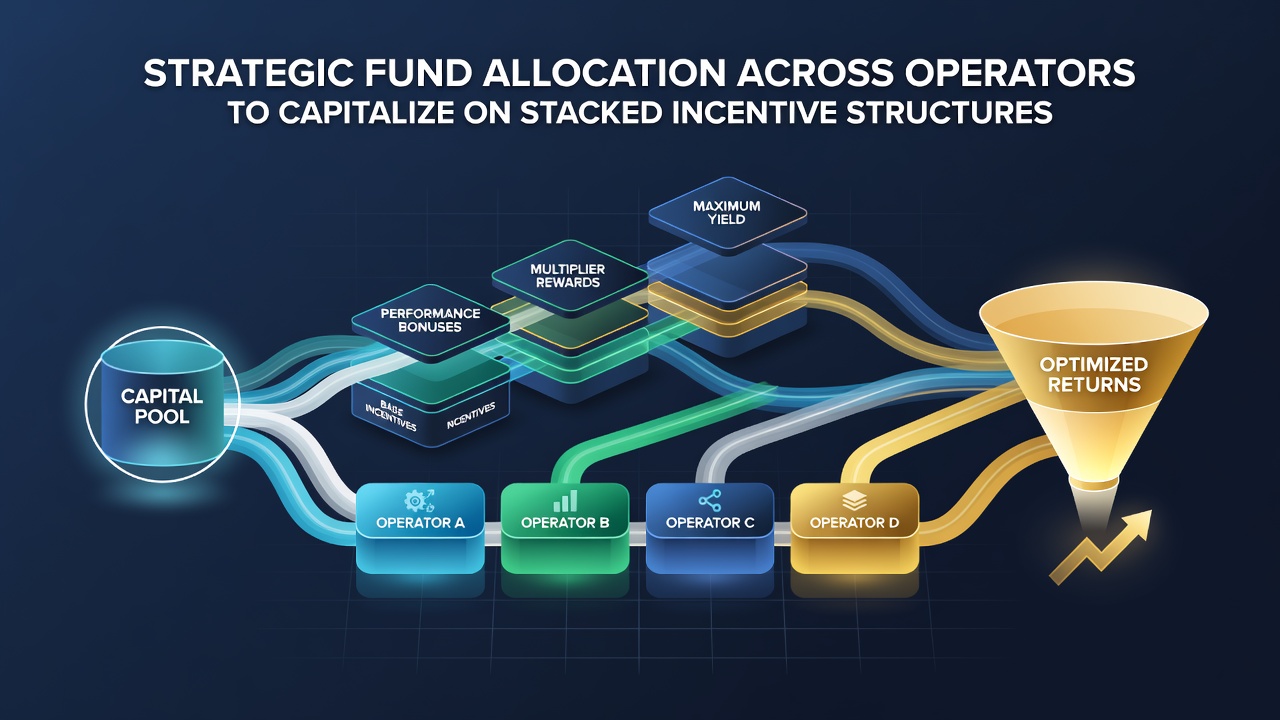
By August 2026, several major operators had introduced tiered rewards tied to portfolio diversification metrics, prompting renewed interest in allocation modeling software. Data compiled by the International Organization of Securities Commissions shows increased adoption of these tools among retail and institutional participants alike. The shift coincides with broader regulatory emphasis on transparency around promotional yields, which has encouraged clearer disclosure of stacking conditions.
Risk Mitigation Through Diversification
Spreading capital reduces concentration risk associated with any single operator's policy changes or operational disruptions. According to analyses from the Monetary Authority of Singapore, portfolios allocated across multiple jurisdictions demonstrated greater resilience during periods of platform-specific outages or revised bonus terms. Practitioners routinely set internal caps on exposure per operator, often calibrated to overall portfolio size and liquidity requirements.
What's interesting is how settlement timing interacts with these caps. Funds released from one operator's incentive cycle can immediately qualify for a fresh promotion elsewhere, creating continuous rotation patterns. Research indicates that participants who document each transfer maintain clearer audit trails for tax and compliance purposes.
Technology Supporting Allocation Decisions
Specialized platforms now aggregate incentive data from numerous operators, allowing users to simulate allocation scenarios before committing actual capital. Reports from the Securities and Exchange Board of India highlight growing use of such aggregators in emerging markets where incentive programs have proliferated rapidly. These tools typically incorporate regulatory updates automatically, reducing the manual monitoring burden that previously limited stacking strategies to sophisticated users.
Yet reliance on third-party software introduces its own considerations around data accuracy and privacy. Observers recommend cross-verifying outputs against primary operator documentation, particularly when promotional terms change without advance notice. In practice, many participants combine automated alerts with periodic manual reviews to maintain accuracy.
Conclusion
Strategic fund allocation across operators has evolved into a structured discipline supported by data analytics, regulatory disclosures, and specialized software. Evidence from multiple jurisdictions demonstrates that careful mapping of incentive layers, combined with disciplined sequencing and diversification, enables participants to meet overlapping eligibility criteria efficiently. As operators continue refining their programs through 2026 and beyond, those who maintain systematic tracking and respect each provider's boundaries position themselves to capture combined returns while managing associated constraints.