Multi-Tier Loyalty Programs Drive Enhanced Outcomes in Matched Betting Across Betting Operators
Riley Simmons · Aug 3, 2026
Multi-Tier Loyalty Programs Drive Enhanced Outcomes in Matched Betting Across Betting Operators
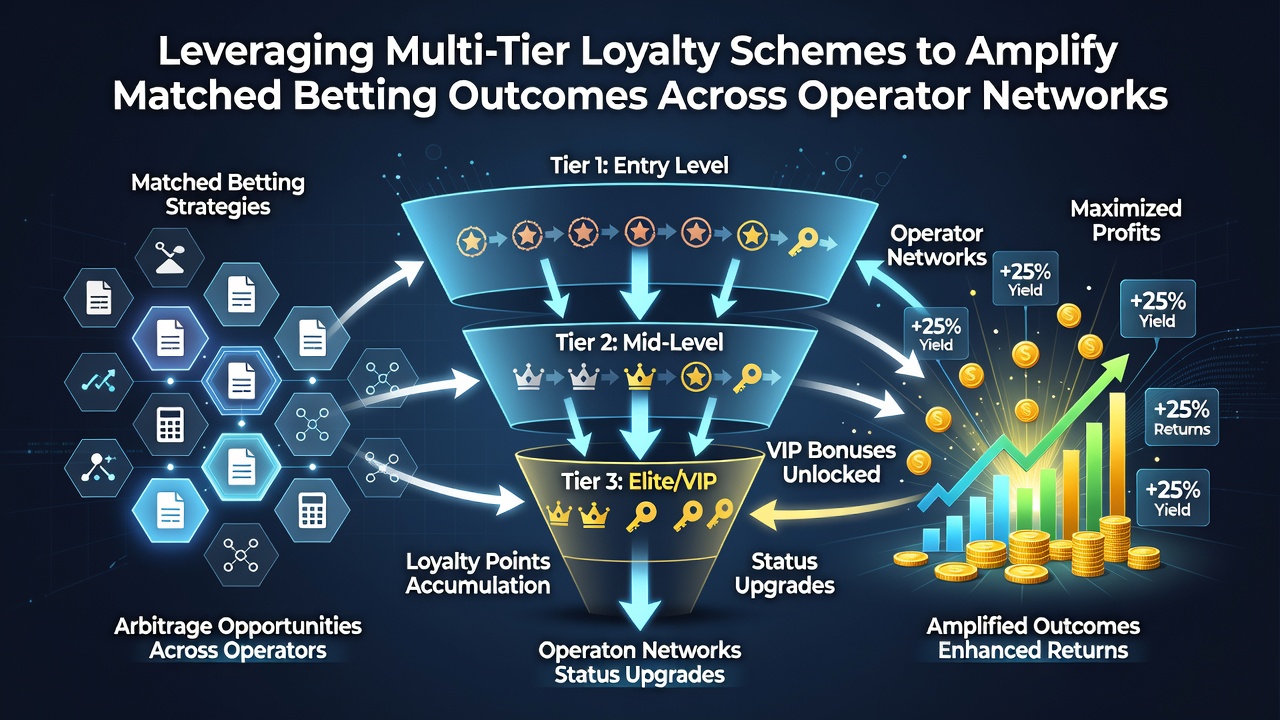
Multi-tier loyalty programs have become central to how operators structure customer retention, and matched betting practitioners track these structures closely because higher tiers often unlock cashback percentages, accelerated bonus conversions, and exclusive reload offers that scale with activity across multiple sites. Data from industry reports indicate that participants who maintain activity in several programs simultaneously record higher cumulative returns when they align lay and back stakes with the specific reward thresholds each operator sets at silver, gold, and platinum levels.
Structure of Tiered Rewards in Operator Networks
Operators divide loyalty schemes into progressive bands where initial entry requires modest deposit or wager volumes while subsequent bands demand sustained play over weeks or months; each band delivers incremental advantages such as reduced withdrawal fees, higher maximum stake limits on free bets, and priority access to new promotions. Observers note that matched betting strategies benefit when practitioners map these requirements against the free-bet or cashback values offered, allowing them to plan sequences that meet tier criteria without exposing capital to unmatched risk. Research from the Australian Gambling Research Centre shows that loyalty structures in regulated markets frequently tie tier progression to both volume and frequency, creating predictable windows during which enhanced rewards become available.
August 2026 brought several operator announcements that adjusted tier qualification periods and introduced cross-product multipliers for sports and casino verticals; these changes altered the arithmetic practitioners use when calculating expected value across a portfolio of accounts. Those who monitor regulatory filings in multiple jurisdictions report that operators now publish clearer tier reset dates, which reduces uncertainty when scheduling large matched positions to hit the next reward band.
Cross-Operator Coordination and Tier Progression
Practitioners who operate across networks often stagger deposit and wager activity so that one account advances toward a higher cashback rate while another completes the volume needed for a separate bonus multiplier. This coordination relies on precise record-keeping of qualifying bets, because most schemes exclude certain bet types from tier calculations yet still count them toward overall turnover for matched positions. Studies conducted by Canadian research groups reveal that operators using shared technology platforms sometimes share anonymized loyalty data, which influences how quickly a user can climb tiers when activity is distributed rather than concentrated on a single site.
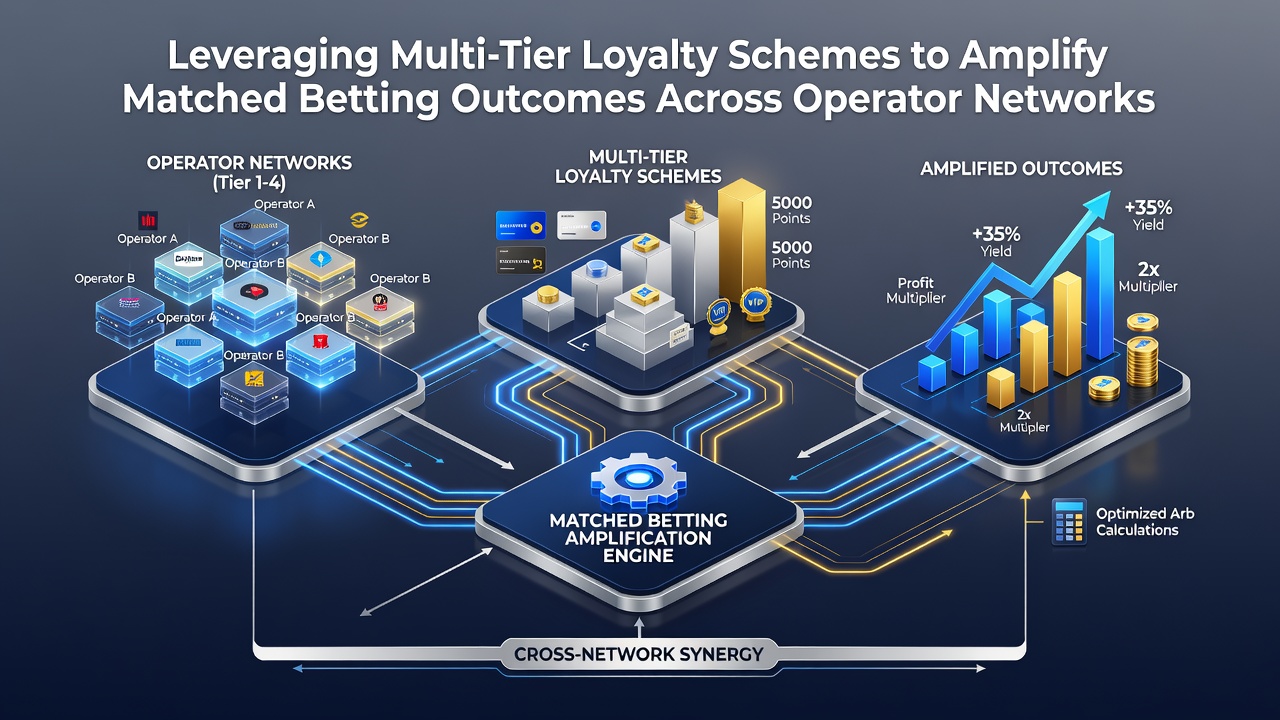
Because tier benefits frequently include non-cash rewards such as event tickets or merchandise, matched bettors assign monetary values to these items and factor them into net profit models. Data compiled by the Responsible Gambling Council in Canada indicates that loyalty redemptions represent measurable value when users convert points at rates that exceed standard cashback percentages. Operators adjust these redemption rates periodically, so ongoing verification remains necessary to maintain accuracy in outcome projections.
Calculation Adjustments for Tiered Benefits
Standard matched betting calculators require modification when tier benefits enter the equation; the effective stake on a free bet may increase once a user reaches a gold or platinum band that offers bonus conversion at 80 percent or higher instead of the base 50 percent rate. Practitioners therefore maintain separate spreadsheets that incorporate the marginal gain from each tier milestone, allowing them to determine the optimal number of matched cycles required to justify the additional volume needed for advancement. Figures released in operator earnings calls demonstrate that average revenue per user rises measurably once loyalty members cross into upper tiers, confirming that the programs deliver measurable retention effects that matched strategies can leverage.
Seasonal promotions in late summer 2026 introduced limited-time tier accelerators that doubled qualification points for specific sports markets; these accelerators created short-term opportunities for rapid advancement when matched positions were placed in those markets. Observers note that such limited offers require rapid assessment of whether the accelerated path produces a net gain after accounting for any stake limits imposed at lower tiers.
Conclusion
Multi-tier loyalty schemes continue to evolve in response to regulatory changes and competitive pressures, and matched betting outcomes across operator networks reflect these evolutions through adjusted return calculations and sequenced activity plans. Those who track tier thresholds, redemption values, and cross-operator interactions maintain structured records that align reward milestones with matched positions, producing outcomes that incorporate both direct bonus value and the incremental advantages attached to higher loyalty bands.